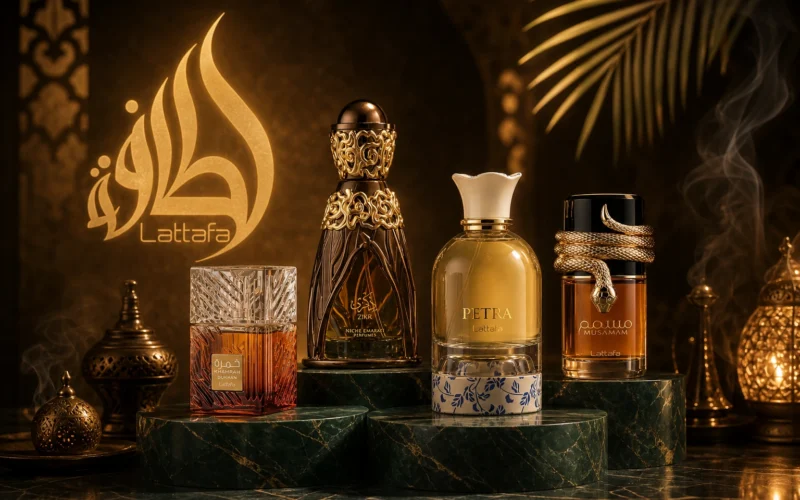
People often ask us a charming question at the counter: “Did Arabs invent perfume?” The short answer is no—fragrance is older than any single culture. The longer answer is more beautiful: Arab and Islamic scholarship helped refine, document and carry perfume craft into a golden age that still shapes what we wear today.
Perfume did not begin with a bottle
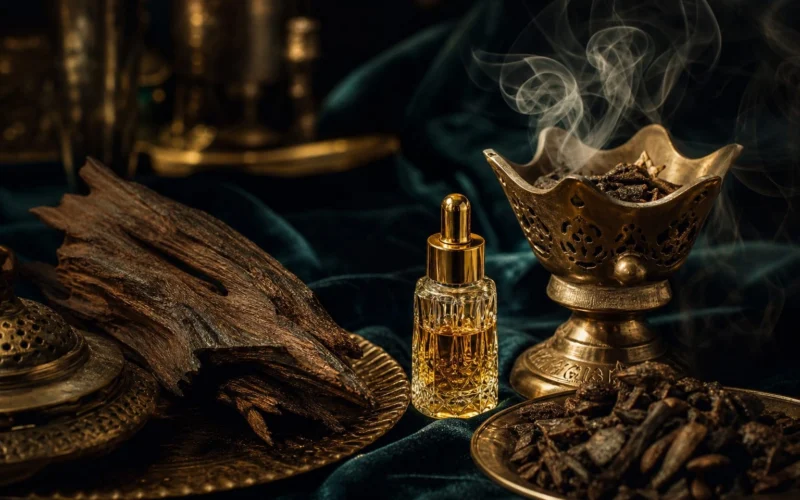
The earliest fragrance was not a spray. It was smoke, oil, resin, flower water and scented unguent. Archaeological and textual evidence from ancient Mesopotamia and Egypt points to aromatic materials used in ritual, medicine, beauty and daily life thousands of years ago. Temples burned incense; oils softened skin; resins travelled along trade routes as precious goods.
So if we are looking for one inventor with a patent and a launch date, we will be disappointed. Perfume grew the way cooking did—through curiosity, climate, trade and the human wish to make a moment feel special.
Egypt, Mesopotamia and the first fragrant workshops
Ancient Egypt left especially vivid perfume traditions: fragrant oils, incense blends and cosmetics that mixed scent with care of the body. Mesopotamian cultures also used aromatics extensively. These early practices treated fragrance as useful and meaningful—not merely decorative.
Materials mattered: myrrh, frankincense, fragrant woods, flowers and fats or oils that could hold scent. The craft was practical. If perfume faded too quickly or spoiled, the recipe had failed.
Where Arab perfume culture becomes essential
As trade networks widened across the Arabian Peninsula and the Islamic world, perfume knowledge travelled with scholars, merchants and households. Writers such as al-Kindi described aromatic preparations in remarkable detail. Distillation techniques—already present in wider ancient science—were developed, refined and documented, helping rose water and concentrated oils become more sophisticated.
This is the part of the story Arab perfume lovers can claim with pride: not inventing the very first scent, but elevating fragrance into a cultivated art of hospitality, scholarship and personal ritual. Attars, incense traditions and layered scent culture grew into something unmistakable.
Arabs did not invent the first perfume. They helped turn fragrance into a living craft of generosity, memory and refinement.
Oud, rose and the road to modern bottles
Later centuries brought agarwood, rose compositions, musk accords and the meeting of Eastern materials with European alcohol-based perfumery. Modern Arabian-style fragrances still carry that older instinct: depth, warmth, and a scent that feels like it belongs to a room as much as to a wrist.
When you spray an oud rose today, you are not recreating one ancient formula. You are joining a long conversation between places—Egypt, Arabia, Persia, India, the Mediterranean—and the people who never stopped caring how a welcome smells.
What this means for your scent journey
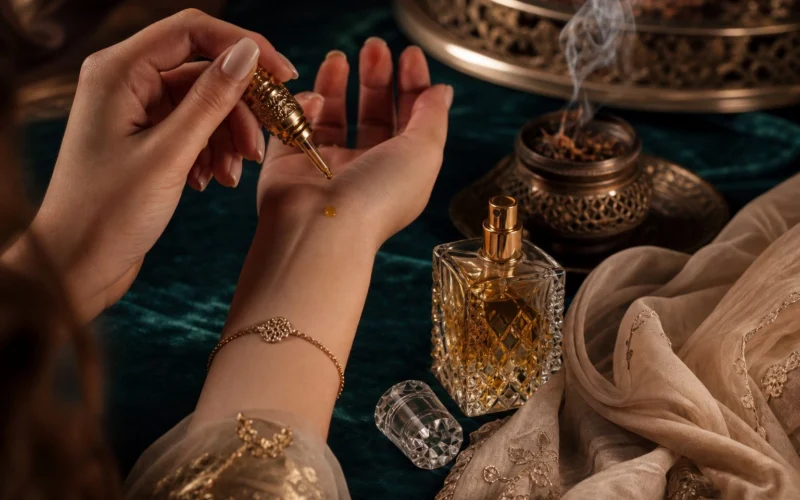
History frees you from perfectionism. You do not need a “correct” origin story to enjoy perfume. You only need curiosity. Start with incense if you love atmosphere, an attar if you love intimacy, or a modern spray if you love projection. Then notice which materials make you lean closer.
Browse our Arabic fragrance collection, or continue through The Arabian Scent Journal. The first perfume may be ancient—but your favourite one can begin this week.
Research note: historical framing draws on scholarship around early aromatics and al-Kindi’s perfume and distillation writings.